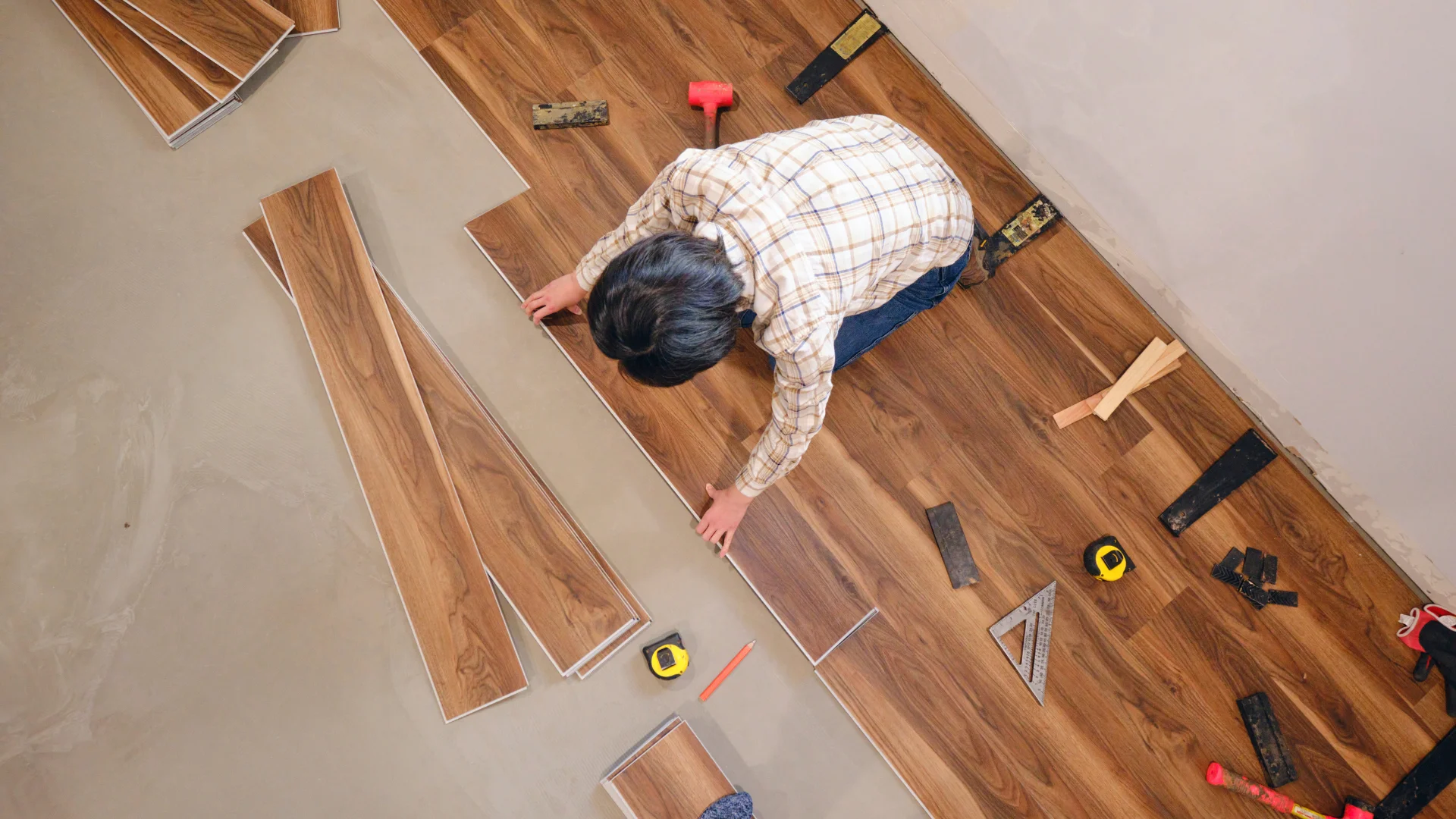
Remodeling your flooring can be a significant investment that not only enhances the aesthetic appeal of your home but also increases its market value. This comprehensive guide explores the various benefits of flooring remodels, supported by real statistics and detailed analysis. By the end, you’ll have a clearer understanding of whether a flooring remodel is a wise decision for your home.
Financial Impact of Flooring Remodels
Return on Investment (ROI)
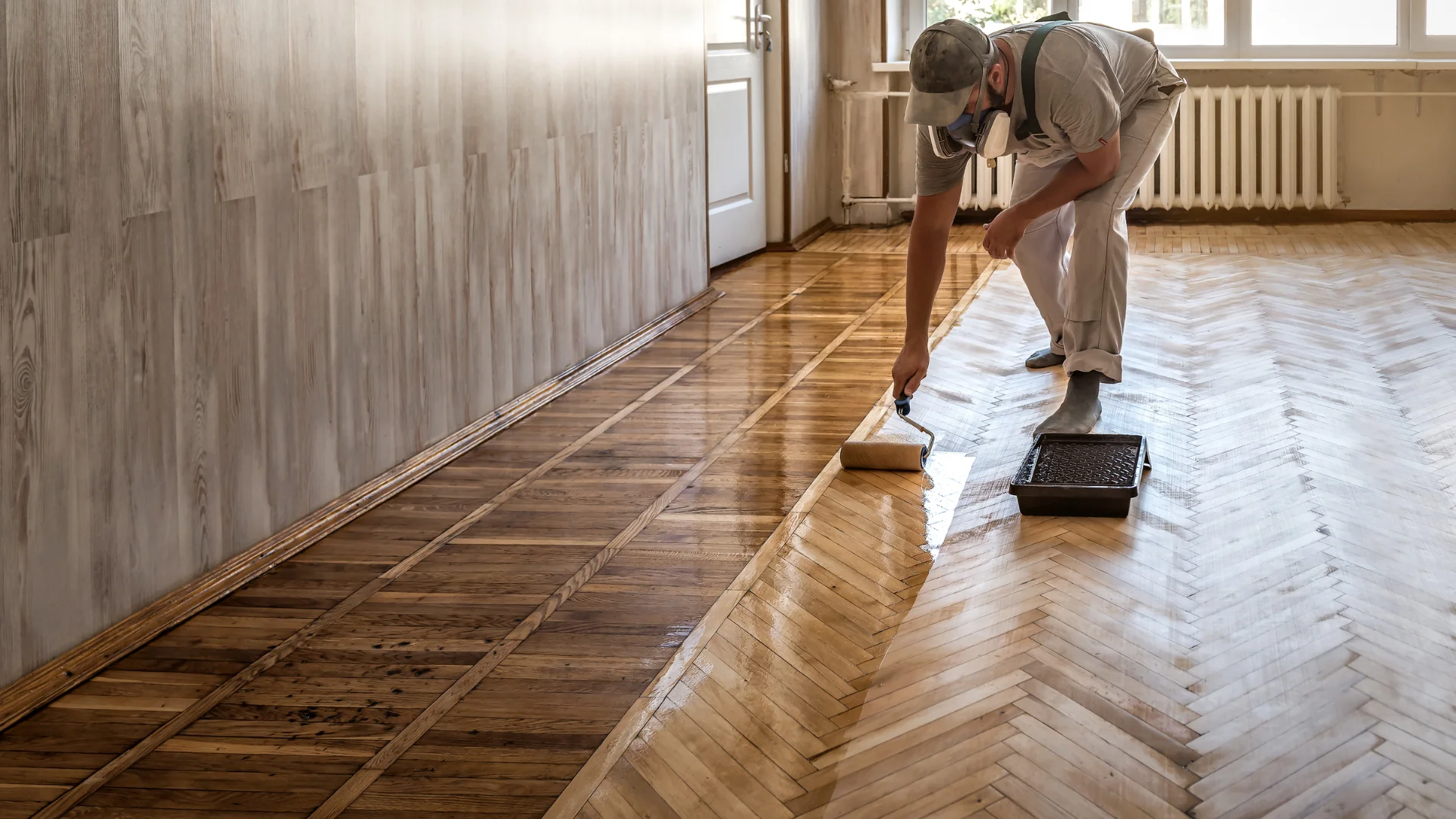
One of the primary motivations for remodeling flooring is the potential return on investment. According to a study by iProperty Management, refinishing hardwood floors yields an impressive 147% ROI. This means that if you spend an average of $3,400 on refinishing, you can expect to see an additional $8,400 in resale value, resulting in a net profit of $5,000. In comparison, replacing hardwood floors offers a slightly lower ROI at 118%, with an average cost of $5,500 and an added resale value of $6,500.
Moreover, homeowners who upgrade their flooring tend to experience higher satisfaction rates. The National Association of Realtors (NAR) found that 69% of homeowners reported increased enjoyment and satisfaction after completing their flooring remodels.
Cost Analysis
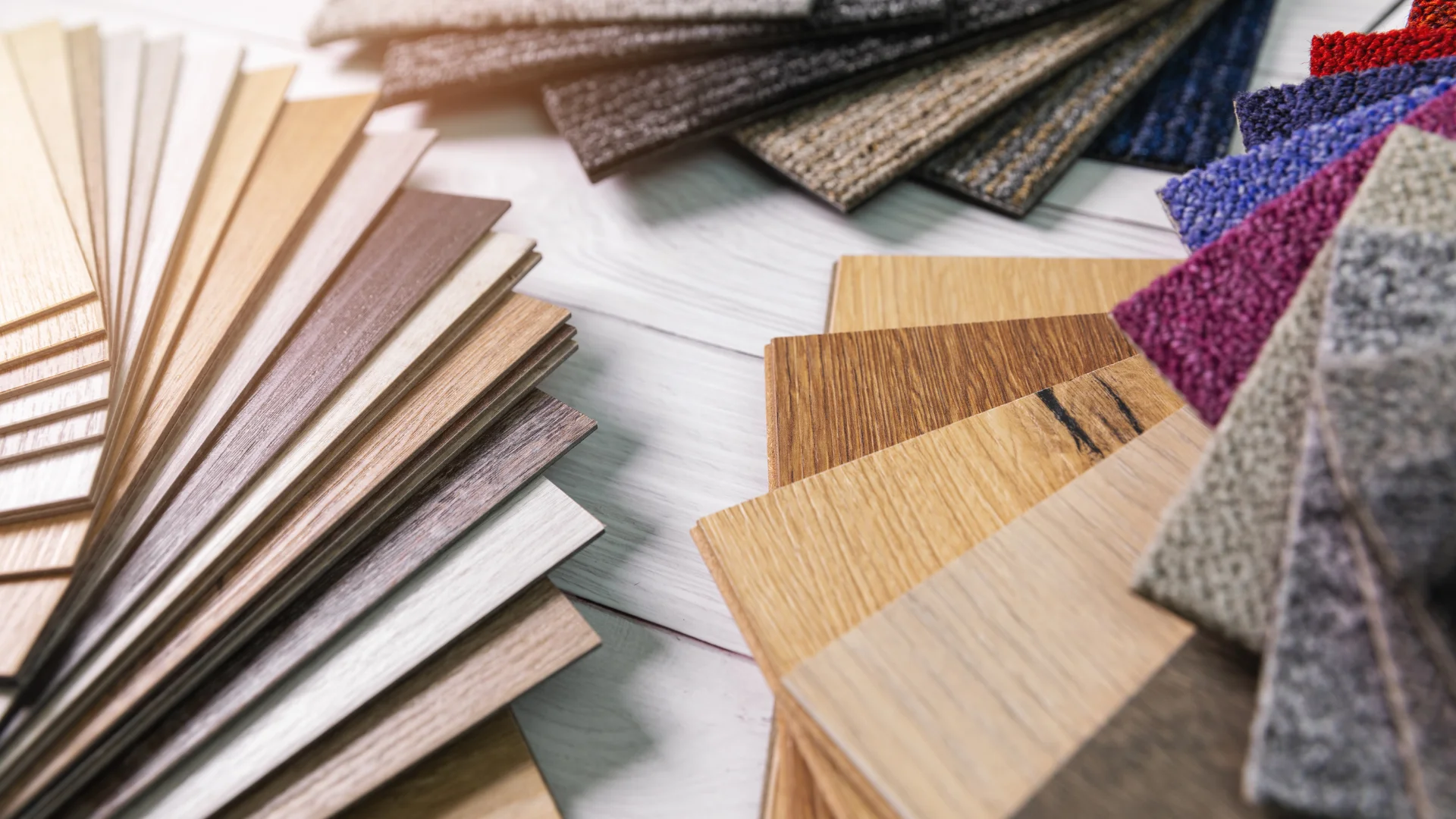
The cost of a flooring remodel varies widely based on the type of material chosen and the complexity of the installation. Here are some average costs per square foot for popular flooring options:
- Hardwood Flooring: $3 to $10
- Engineered Wood: $4 to $9
- Laminate Flooring: $1 to $4
- Vinyl Plank Flooring: $2 to $7
- Ceramic Tile: $5 to $10
These costs can add up quickly, especially for larger projects. However, the potential increase in home value often justifies the investment.
Popular Flooring Options and Their Benefits
Hardwood Flooring
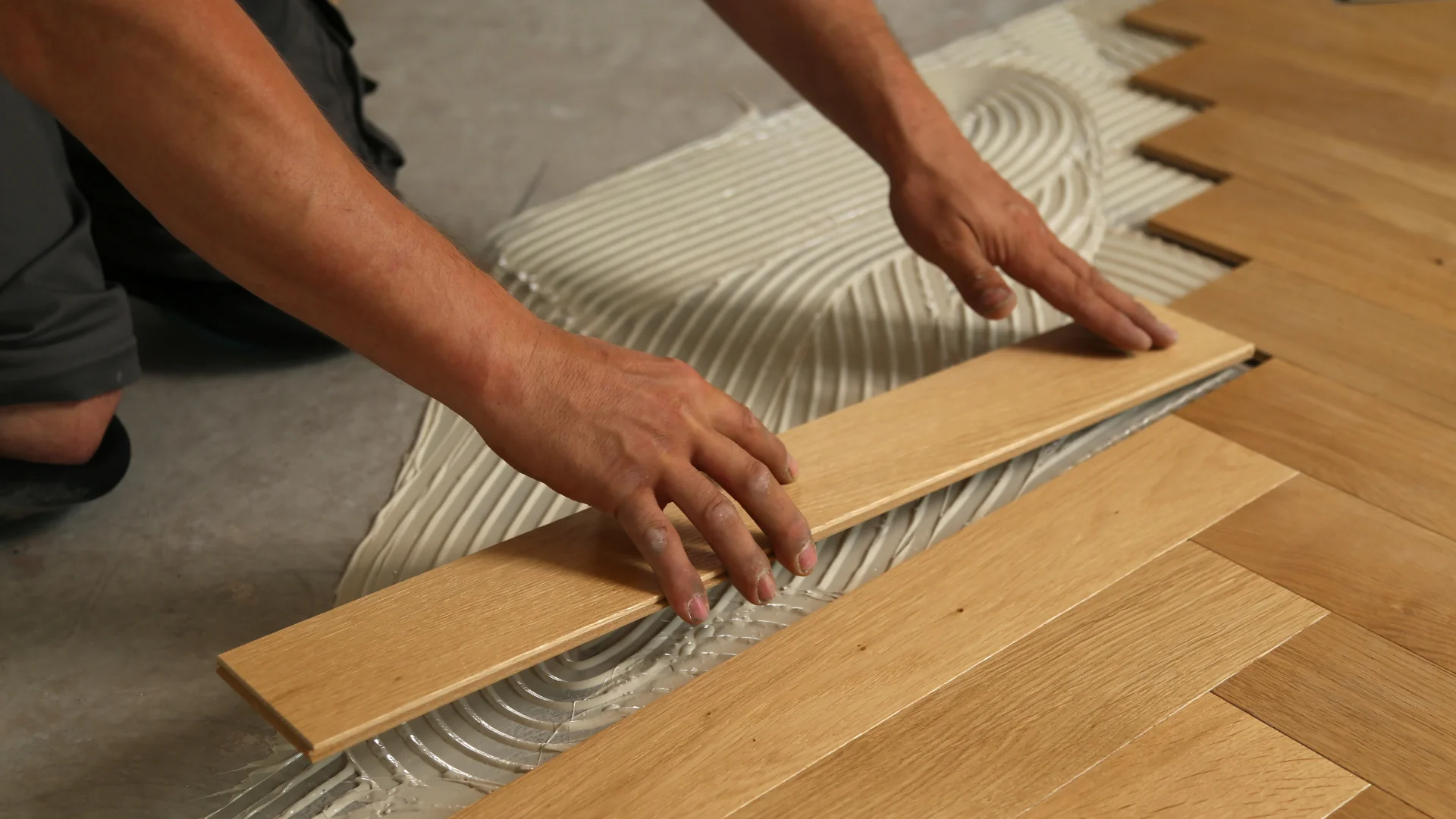
Hardwood floors are a timeless and desirable feature in many homes. They are durable, easy to clean, and can last for decades with proper care. According to Family Handyman, installing hardwood floors can increase the sales price of a home by as much as 2.5%. Realtors report that homes with hardwood flooring are more attractive to buyers, often leading to quicker sales.
Engineered Wood
Engineered wood offers the beauty of hardwood with added stability, making it suitable for areas prone to moisture, such as basements and kitchens. It is also generally easier to install than traditional hardwood, making it a popular choice for DIY projects.
Laminate Flooring
Laminate flooring is a cost-effective alternative to hardwood that still offers a visually appealing finish. It is highly durable and resistant to scratches and moisture, making it ideal for high-traffic areas and homes with pets.
Vinyl Plank Flooring
Vinyl plank flooring has gained popularity due to its affordability, water resistance, and ease of installation. It can mimic the appearance of wood or stone, providing a luxurious look without the high cost. This makes it a versatile option for any room in the house.
Ceramic Tile
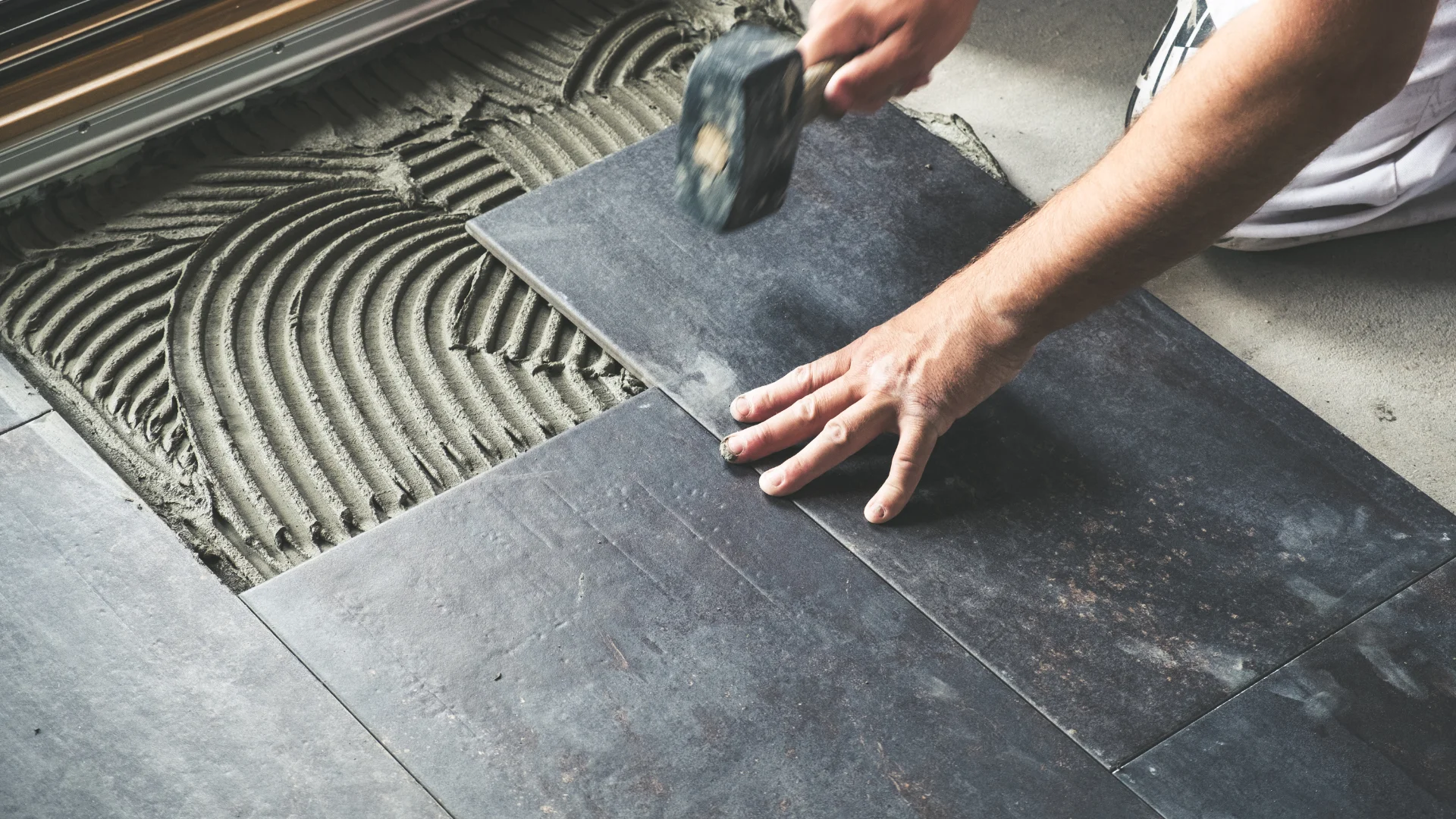
Ceramic tiles are an excellent choice for kitchens, bathrooms, and entryways due to their durability and water resistance. They come in a wide variety of designs, allowing homeowners to create unique and stylish spaces.
Factors to Consider Before Remodeling
Skill Level and DIY Potential
The complexity of the flooring project should be matched with your skill level. Simple projects like installing laminate or vinyl plank flooring are suitable for DIY enthusiasts. In contrast, projects involving hardwood or ceramic tile installation may require professional assistance due to the need for precise cutting and fitting.
Long-Term Goals
Consider your long-term plans for the home. If you intend to stay in your home for many years, investing in high-quality flooring can enhance your living experience and gradually increase home value. If you plan to sell soon, focus on flooring options with high ROI to attract potential buyers and boost the sale price.
Budget
Budget is a critical factor in any remodeling project. Ensure you have a clear understanding of the costs involved and set aside a contingency fund for unexpected expenses. While high-quality materials may have a higher upfront cost, they often offer better durability and long-term value.
Safety Considerations
Personal Protective Equipment (PPE)
Always wear appropriate PPE, including gloves, safety goggles, knee pads, and a dust mask, to protect yourself from injuries and inhaling dust or fumes.
Tool Safety
Use tools according to the manufacturer’s instructions and ensure they are in good working condition. Power tools should be handled with care, and sharp blades should be kept away from fingers.
Proper Ventilation
When using adhesives, sealants, or any chemical products, ensure the area is well-ventilated to avoid inhaling harmful fumes.
Conclusion: Should You Remodel Your Home Flooring?
Remodeling your home flooring can significantly enhance its aesthetic appeal and market value. With potential ROIs as high as 147% for hardwood refinishing, it’s clear that flooring remodels can be a financially sound investment. However, it’s essential to consider your budget, skill level, and long-term goals before embarking on such a project.
By choosing the right materials and following best practices for installation and safety, you can achieve a beautiful and durable floor that not only improves your living space but also attracts potential buyers if you decide to sell.