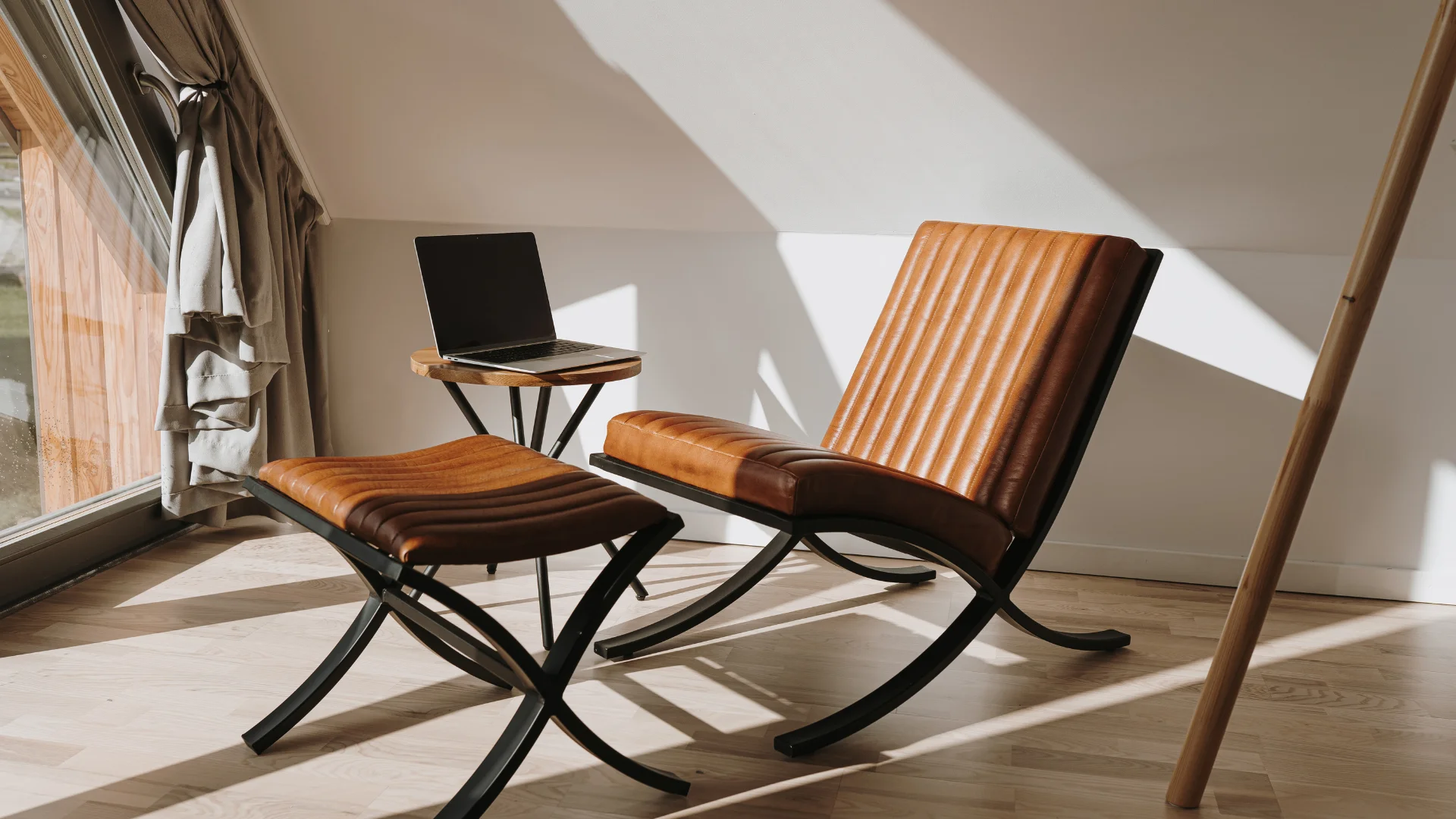
Creating custom furniture through DIY projects can be a rewarding way to personalize your home while saving money. Whether you’re a novice or an experienced woodworker, there are projects to suit all skill levels and budgets. This comprehensive guide covers everything you need to know about DIY furniture projects, from getting started to the tools and safety measures you’ll need.
Who Can Do DIY Furniture Projects?
DIY furniture projects are accessible to a wide range of individuals. Beginners can start with simple projects like making a bookshelf or a coffee table, while more experienced DIYers can take on complex pieces like dining tables or custom cabinetry. The key is to start with projects that match your skill level and gradually take on more challenging tasks as you gain experience.
Getting Started with DIY Furniture Projects
Planning and Design
- Choose a Project: Start by selecting a project that fits your skill level and meets a need in your home. Websites like Pinterest and DIY blogs are excellent sources of inspiration.
- Create or Find a Plan: Many DIY websites offer free plans and blueprints. You can also design your own using software like SketchUp.
- Measure Your Space: Ensure the finished piece will fit in your intended space by taking accurate measurements.
Budgeting
The cost of DIY furniture projects varies widely depending on the materials used and the complexity of the design. On average, DIY projects can save you 50-75% compared to buying similar pre-made furniture. Here are some average costs:
- Simple Projects (e.g., bookshelves, small tables): $50 – $150
- Intermediate Projects (e.g., desks, dressers): $150 – $300
- Advanced Projects (e.g., dining tables, cabinets): $300 – $800
The Best DIY Furniture Projects
High-End Projects
- Custom Dining Table: A custom dining table can be a centerpiece in your home. Using high-quality hardwood and advanced joinery techniques, you can create a durable and stylish piece.
- Built-In Bookshelves: These add a luxurious feel to any room and provide ample storage. They require precise measurements and advanced carpentry skills.
Budget-Friendly Projects
- Pallet Furniture: Pallet wood can be used to create a variety of furniture pieces like coffee tables, sofas, and beds. It’s an affordable and sustainable option.
- Simple Bookshelves: Using plywood or pine, you can create functional and stylish bookshelves with minimal investment.
Unique and Creative Projects
- Repurposed Furniture: Turn old doors into tables, or use vintage crates for shelving. This is a great way to recycle materials and create one-of-a-kind pieces.
- DIY Upholstered Headboard: Create a custom headboard using plywood, foam, fabric, and a staple gun. It’s a simple project that adds a touch of luxury to your bedroom.
The Cheapest DIY Furniture Projects
- Milk Crate Shelving: Use milk crates to create modular shelves. They can be stacked and arranged in various configurations and are perfect for small spaces.
- Pipe and Wood Shelves: Using plumbing pipes and wooden planks, you can create industrial-style shelves for under $50.
The Easiest DIY Furniture Projects
- Floating Shelves: These are simple to make and install. All you need is wood, brackets, screws, and a drill.
- Basic Coffee Table: A coffee table with a simple rectangular top and four legs is a great starter project for beginners.
Usual Tools and Materials
Essential Tools
- Measuring Tape: For accurate measurements.
- Saw (Hand Saw or Circular Saw): For cutting wood to size.
- Drill and Drill Bits: For making holes and driving screws.
- Screwdrivers: Both flat-head and Phillips.
- Hammer: For nailing pieces together.
- Clamps: To hold pieces in place while assembling or gluing.
- Sander or Sandpaper: For smoothing wood surfaces.
Materials
- Wood: Pine, plywood, MDF, and hardwoods like oak or maple.
- Fasteners: Screws, nails, and wood glue.
- Finishes: Paint, stain, and varnish to protect and enhance the appearance of the wood.
- Hardware: Hinges, drawer slides, and handles for functional pieces.
Safety Considerations
Personal Protective Equipment (PPE)
- Safety Glasses: To protect your eyes from dust and debris.
- Hearing Protection: To protect your ears when using loud tools like saws.
- Dust Mask or Respirator: To prevent inhalation of sawdust and fumes from finishes.
- Gloves: To protect your hands from splinters and sharp edges.
Tool Safety
- Read Manuals: Always read the instruction manuals for your tools and understand their operation.
- Check Tools Before Use: Ensure tools are in good working condition before starting your project.
- Keep Work Area Clean: A tidy workspace helps prevent accidents and injuries.
General Safety Tips
- Work in a Well-Ventilated Area: Especially when using finishes and adhesives.
- Use Proper Lifting Techniques: When handling heavy materials to prevent back injuries.
- Keep Children and Pets Away: Ensure your work area is safe from children and pets.
Should You Start a DIY Furniture Project?
Deciding whether to undertake a DIY furniture project depends on various factors, including your skill level, budget, and the time you can commit. Here are some considerations:
Benefits of DIY Furniture
- Cost Savings: DIY projects can save you a significant amount of money compared to purchasing pre-made furniture.
- Customization: You can design and build pieces that perfectly fit your space and style.
- Satisfaction: There is a great sense of accomplishment in creating something with your own hands.
Challenges of DIY Furniture
- Time-Consuming: DIY projects can take longer than anticipated, especially for beginners.
- Skill Level: Some projects require advanced skills and tools.
- Initial Costs: Purchasing tools and materials can be costly upfront, though they are investments for future projects.
Conclusion
DIY and custom home improvement furniture projects offer a fulfilling way to enhance your living space. Whether you’re looking to save money, personalize your home, or enjoy a new hobby, there’s a project for every skill level and budget. By planning carefully, using the right tools, and following safety guidelines, you can create beautiful, functional pieces that add value and character to your home.